
Posts in Cultural Industry

From DVDs to Digital Platforms: How the Creative Economy is Shaping Our World

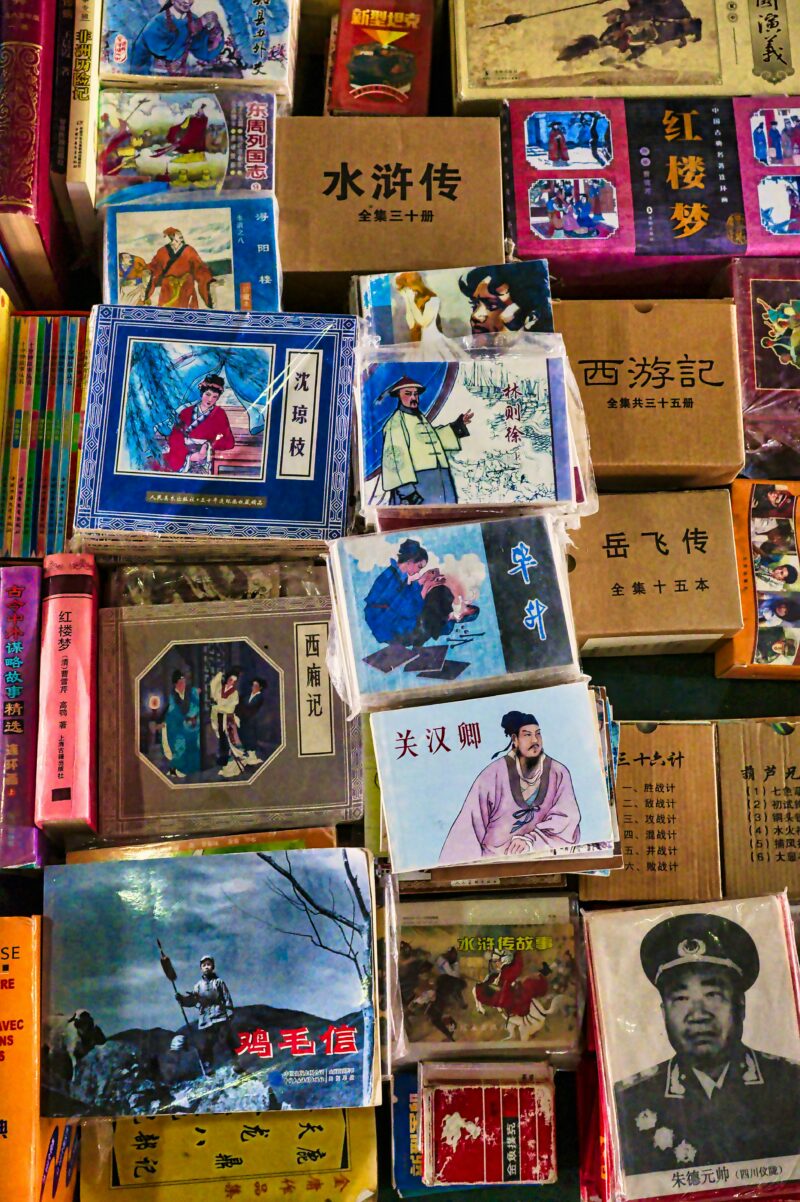
I still remember the 2000s, when kung fu movies starring Jet Li were a staple of family time. Sitting around a DVD player, we were connected not just by stories but by cultural exports that brought the world into our homes.

Fast forward to today: the creative economy has become a transformative force, driving innovation, empowering individuals, and reshaping global economies.

Let’s dive into what the creative economy means today and how it’s impacting the world.


🎥 Key Moments in the Recent History of the Creative Economy

  • The Rise of Nollywood (1990s–2000s)
    Nigeria’s film industry emerged as a global sensation, delivering affordable and accessible storytelling to developing nations. Today, Nollywood is a powerful cultural export influencing millions worldwide.
  • The Digital Boom During COVID-19 (2020–2021)
    As cinemas and live events shut down, creative services moved online. From streaming platforms to e-sports, digital creativity soared, increasing creative services exports by 14.2% in 2020.
  • The Ukraine War and Global Geopolitics (2022)
    Cultural exchanges were disrupted, but creativity persevered. Artists used their platforms to shed light on social issues, showcasing the resilience of creative industries.

📊 What Do the Numbers Say?

In 2022, the creative services industry reached new heights:

  • Global exports of creative services: $1.4 trillion.

Africa as a global growth leader:
With the highest growth rate in creative services exports among all regions, Africa is emerging as a rising star. While its overall share remains modest, its upward trajectory speaks to its untapped potential.

Meanwhile, Europe and Asia continue to dominate in absolute values, but the spotlight is shifting. Africa, fueled by its music, film, and fashion industries, is capturing global attention.


🎶 Why Does This Matter for Africa and the World? 🎶

Africa’s vibrant youth population and cultural richness are driving a new wave of creativity.

In 2022, Africa recorded 11.7% growth in creative services exports, leading the world in innovation and resilience.

The creative economy is not just about art. It’s about storytelling, empowerment, and building a sustainable future. Investing in this sector means embracing our shared humanity while unlocking incredible economic potential.
Des DVD aux plateformes digitales : Comment l’économie créative façonne notre monde

Je me souviens encore des années 2000, lorsque les films de kung-fu avec Jet Li étaient incontournables lors des soirées en famille. Réunis autour d’un lecteur DVD, nous étions connectés, non seulement par les histoires, mais aussi par ces exportations culturelles qui faisaient entrer le monde dans nos foyers.

Avance rapide jusqu’à aujourd’hui : l’économie créative est devenue une force transformatrice, stimulant l’innovation, donnant du pouvoir aux individus et redessinant les économies mondiales.

Plongeons dans ce que signifie l’économie créative aujourd’hui et son impact sur le monde.


🎥 Quelques moments clés dans l’histoire récente de l’économie créative

  • L’émergence de Nollywood (1990s–2000s)
    L’industrie cinématographique nigériane s’est imposée comme une sensation mondiale, offrant des récits abordables et accessibles aux nations en développement. Nollywood est aujourd’hui un véritable vecteur culturel, influençant des millions de personnes à travers le globe.

  • Le boom numérique lié à la COVID-19 (2020–2021)
    Lorsque les cinémas et les événements en direct ont fermé leurs portes, les services créatifs se sont déplacés en ligne. Du streaming aux e-sports, la créativité numérique a explosé, augmentant les exportations de services créatifs de 14,2 % en 2020.

  • La guerre en Ukraine et la géopolitique mondiale (2022)
    Malgré les perturbations des échanges culturels, la créativité a trouvé son chemin. Des artistes ont utilisé leurs plateformes pour mettre en lumière des enjeux sociaux, illustrant ainsi la résilience des industries créatives.


📊 Que disent les chiffres ?

En 2022, l’industrie des services créatifs a atteint des sommets historiques :

  • Exportations mondiales de services créatifs : 1,4 trillion de dollars.

L’Afrique, leader mondial en croissance :
Avec le plus fort taux de croissance des exportations de services créatifs parmi toutes les régions, l’Afrique s’affirme comme une étoile montante. Bien que sa part globale reste modeste, sa trajectoire ascendante révèle un potentiel immense.

Pendant ce temps, l’Europe et l’Asie continuent de dominer en valeur absolue. Mais les projecteurs se déplacent, et l’Afrique, portée par ses industries de la musique, du cinéma et de la mode, attire de plus en plus l’attention.


🎶 Pourquoi cela compte pour l’Afrique et le monde ? 🎶

La jeunesse dynamique et la richesse culturelle de l’Afrique alimentent une nouvelle vague de créativité.

En 2022, l’Afrique a enregistré une croissance de 11,7 % des exportations de services créatifs, devenant ainsi leader mondial en matière d’innovation et de résilience.

L’économie créative, ce n’est pas seulement de l’art. C’est du storytelling, de l’autonomisation, et la construction d’un avenir durable. Investir dans ce secteur, c’est embrasser notre humanité commune tout en débloquant un potentiel économique incroyable.


💬 Et maintenant ?

J’ai créé cette visualisation dynamique (vidéo 🎥) pour illustrer l’évolution des exportations de services créatifs dans le monde.

Qu’en pensez-vous ? Appréciez-vous ce format d’analyse ?

Dites-moi dans les commentaires si vous souhaitez que je continue à partager ce type d’insights et de visualisations.

Célébrons ensemble le pouvoir de la créativité ! 🌍

African Creative Industries: The Untapped Goldmine

There’s something ironic about the state of Africa’s cultural and creative industries (CCIs). While African artists dominate global stages—Burna Boy headlining festivals, Nollywood captivating millions of viewers, and fashion designers lighting up runways from Paris to New York—the continent accounts for just 1% of the global CCI economy. Yes, 1%, in a market worth $2.3 trillion. Let that sink in for a moment.

Yet, a glimmer of hope emerges. The African Export-Import Bank (Afreximbank) recently announced a $2 billion annual fund to boost African CCIs over the next three years. It’s a bold move, but will it be enough to unlock the sector’s full potential?

In this article, we’ll dive into the promises and challenges of this burgeoning industry, blending current events, theory, and real-world cases.


A Promising Yet Underperforming Sector

When we talk about African CCIs, the usual suspects come to mind: music, film, fashion, and gaming. These sectors are brimming with potential, driven by a young, dynamic, and hyper-creative population. Yet, the reality is often far less glamorous. Despite their talent, many African creatives struggle to make a sustainable living.

Take Nollywood, for example, the world’s second-largest film industry by volume. It produces an impressive 2,500 films per year, but its ecosystem is plagued by distribution challenges, rampant piracy, and a dire lack of modern infrastructure. As a result, its revenues fall far short of its potential.


Investments Alone Won’t Solve Everything

Afreximbank’s announcement is undoubtedly a step in the right direction. A fund of this scale has the potential to transform the sector. But let’s ask the critical question: is money alone enough to fix decades of underinvestment?

Challenge 1: Infrastructure gaps. Across Africa, modern production and distribution facilities are scarce. Many artists must travel abroad to access professional studios, and filmmakers often struggle to bring their visions to life with limited resources.

Challenge 2: Weak legal frameworks. Creators cannot thrive without robust protection of their intellectual property. Yet, copyright infringement is rampant across the continent, and public policies to regulate and support CCIs are often insufficient.

Challenge 3: Limited access to international markets. While African cultural products resonate globally, they often lack the distribution networks and institutional support needed to scale internationally.


Theoretical Insights: A Systemic Approach

Economic development theories emphasize that financial investment, while crucial, is insufficient on its own. A systemic approach is needed—one that combines funding with structural reforms.

UNESCO’s reports on CCIs highlight the importance of integrated cultural policies, which include:

  • Legal protections for creators,
  • Infrastructure development for production and distribution,
  • Training programs to build capacity across the value chain.

Without these foundational elements, even significant investments risk having only a short-term impact.


A Case Study: Gaming in Africa

The gaming sector is a compelling example of both the challenges and opportunities facing African CCIs. Studios like Kiro’o Games in Cameroon and Maliyo Games in Nigeria are pushing boundaries by creating games rooted in African narratives. The market is growing rapidly, with revenues projected to exceed $1 billion by 2024.

Yet, these studios face the same recurring obstacles: insufficient funding, limited access to skilled talent, and weak infrastructure. Despite these challenges, the gaming industry offers a glimpse of what’s possible when creativity meets technology. It demonstrates that Africa can become a major player in CCIs if the right conditions are in place.


Creative Africa: Talent Held Back

So, what’s the takeaway? African CCIs are bursting with talent and opportunity. But to transform this potential into sustainable economic and social development, investments must be coupled with structural reforms.

To truly unlock the potential of CCIs, we must:

  1. Invest in modern infrastructure for production and distribution.
  2. Establish robust legal frameworks to protect creators.
  3. Create pathways to access international markets.

Africa has an abundance of talent and creativity. With the right ecosystem, CCIs can become a powerful engine for growth, while showcasing the continent’s rich cultural heritage to the world.


Sources

  • Afreximbank: Announcement of the $2 billion fund for African CCIs, 2024
  • UNESCO: Reports on cultural and creative industries
  • Agence Ecofin: “African creative industries finally attract financing”
  • Forbes Africa: “The rise of African creative industries”
  • UNESCO and SFSIC: Studies on CCIs and development in Africa